Call Us Today 608-729-3590


Recent Blog Posts
What Do I Do if I think My Ex is Hiding Assets Before Divorce?
 If you think your spouse is hiding assets before your divorce, the first step is to talk to an attorney rather than confronting your spouse or going looking through their accounts yourself. Wisconsin gives you legal tools to address this issue during the divorce process, including a sworn disclosure requirement, formal discovery, and a penalty that can follow a hidden asset for years after the divorce is final.
If you plan to file for divorce in 2026 and are worried about your assets, a Rock County, WI property division lawyer can put the right pressure on before your case is finalized.
Wisconsin Divorce Financial Disclosure Requirements
Wisconsin requires both you and your spouse to provide a complete written picture of your finances during a divorce. Under Wisconsin Statute § 767.127, each of you must complete a financial disclosure form listing your assets, debts, and income.
Does It Help My Custody Case if My Ex Is Facing Criminal Charges?
 It can help your custody case if your ex is facing criminal charges, but only under specific circumstances. This applies if the charges relate to something that actually affects your child's safety or well-being, such as domestic violence, child abuse, or substance abuse. A criminal charge that has nothing to do with parenting carries far less weight in a custody case.
If you’re entering a custody dispute in 2026, our Dane County, WI family lawyer can help you understand how much your ex's charges might actually matter.
What Does Wisconsin Law Say About Criminal History in Custody Cases?
Criminal charges do not automatically disqualify a parent from custody or placement. The court just considers the relevant facts as part of its larger best-interest analysis. Under Wisconsin Statute Section 767.41(5)(am), a court must consider all facts relevant to a child's best interests when deciding custody and placement. The law includes factors such as evidence of child abuse, interspousal battery, and domestic abuse. A parent's criminal charges or convictions may also matter when the underlying conduct relates to the child's safety or another factor the court must consider.
Can My Spouse Claim Part of a Business I Started During Our Marriage?
 Your spouse may have a claim to part of a business you started during your marriage in Wisconsin. In a divorce, most property owned by either spouse is subject to division, even if only one spouse's name is attached to the business. This means a business you built and operated yourself may still be included in the property division process.
If you're worried about protecting your business in 2026, our Madison, WI divorce lawyer can help you understand your options.
Why Can Your Spouse Have a Claim to Your Business in a WI Divorce?
Under Wisconsin Statute Section 767.61, most property owned by either spouse is subject to division in a divorce. The court generally starts with a presumption that divisible property should be divided equally. However, it can order a different division after considering factors listed in the law.
How Is Placement Decided When Wisconsin Parents Were Never Married?
 Child placement is decided the same way for unmarried parents in Wisconsin as it is for divorcing parents. It's based on what serves the best interests of the child. Unmarried parents must first establish legal paternity before placement rights can even be addressed, though.
If you're navigating a placement dispute in 2026, our Rock County, WI child custody lawyer can help you understand your rights and options as an unmarried parent.
Do Unmarried Parents Have the Same Custody Rights in Wisconsin?
Unmarried parents don't automatically have equal legal rights to their child the way married parents do. Under Wis. Stat. § 767.80(5m), a father generally must establish paternity before he can request custody or placement rights. This can happen through a voluntary paternity acknowledgment or a court order.
How Are Custody Disputes Resolved in Wisconsin?
 Custody disputes in Wisconsin are typically resolved through negotiation, mediation, or a court hearing. If parents can't agree, a judge decides based on the best interests of the child. Most cases settle before ever reaching a courtroom.
If you're involved in a custody dispute in 2026, our Madison, WI family lawyer can help you understand your options. We want you to reach a resolution that protects your relationship with your child.
What Are the First Steps in Resolving a Custody Dispute in Wisconsin?
When legal custody or physical placement is contested, each parent may be required to submit a proposed parenting plan outlining their requested custody and placement arrangement. Under Wisconsin Statute Section 767.41, courts generally favor joint legal custody between parents. This applies unless evidence shows joint custody wouldn't serve the child's best interests. Many cases start from this shared starting point.
When Can a Wisconsin Court Modify a Child Custody Order?
 A Wisconsin court can modify a child custody order when there has been a substantial change in circumstances since the last order was put in place. Life can change in ways that affect what is best for the child. When that happens, a custody order may need modification. But getting a custody order changed is not as simple as just asking for it. There are legal standards that have to be met, and the process can be complicated. If your circumstances have changed and you believe your custody order needs to be updated in 2026, a Rock County child custody lawyer can help you make the strongest possible case for a modification.
What Is the Legal Standard for Modifying Custody in Wisconsin?
Wisconsin law sets a clear standard for when a custody order can be changed. Under Wisconsin Statutes Section 767.451, a court can modify a custody or placement order if two things are true. First, there has been a substantial change in circumstances since the last order. Second, the modification is in the best interest of the child.
How Does Financial Discovery Work in a Complex Wisconsin Divorce?
 If you are heading toward a divorce in 2026 and you think your spouse may be hiding income, property, or debt, Wisconsin law gives you a way to find out the truth before your settlement is final. This process is called discovery, and it allows each spouse to request financial records, ask written questions under oath, and gather evidence before a judge decides how to divide property.
A Madison, WI property division attorney can use these tools to make sure nothing important gets left out of your settlement.
What Is Financial Discovery in a Wisconsin Divorce?
Financial discovery is the formal process spouses use to exchange information about money, property, and debt before a divorce is finalized. Instead of guessing what your spouse owns or earns, you can request verified documents and sworn answers. Discovery includes four main tools:
How Does a Non-Standard Work Schedule Affect Child Placement in Wisconsin?
 If you work nights, rotating shifts, or irregular hours, you may be wondering whether your schedule will hurt your chances of getting placement time with your child. Wisconsin courts will not automatically limit your placement rights because you work non-traditional hours, but your schedule can affect how a placement plan gets arranged.
Parents who do not address this during their case often end up with less placement time than they should have. A Dane County, WI child custody attorney who handles child placement cases can help you fight for the parenting time you deserve.
Does Wisconsin Law Protect Placement Rights for Parents Who Work Non-Traditional Hours?
Wisconsin Statute § 767.41 requires courts to set a schedule that gives each parent "regularly occurring, meaningful periods of physical placement" with their child. The law also says the schedule should maximize the time a child spends with each parent. Neither of those requirements goes away because a parent works nights or has a rotating schedule.
Why Is My Spouse Fighting Me Over the House in Our Wisconsin Divorce?
 If you and your spouse own a home and cannot agree on what happens to it in your divorce, a judge may end up making that call for you. Wisconsin law has a clear framework for how courts divide the marital home, but when spouses dig in and refuse to settle, the process can get costly and unpredictable. If you are heading into a contested property dispute in 2026, understanding how the law works before you get to court can put you in a much stronger position. A Madison, WI property division attorney who fights hard to win your case can walk you through your options.
What Is Wisconsin's Starting Point for Dividing a Marital Home in Divorce?
Wisconsin is one of nine community property states in the country. Under Wisconsin Statute § 767.61, property acquired during the marriage belongs equally to both spouses. That includes your home. The law's starting point is a 50/50 split, regardless of whose name is on the deed or who made more of the mortgage payments.
What Happens When Unmarried Parents Split Up in Wisconsin?
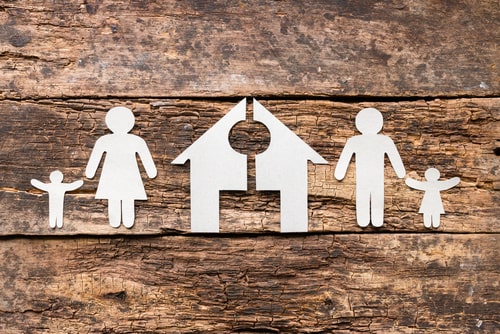
If you and your partner were never married and have a child, breaking up is more complicated than just going your separate ways. There is no divorce process to follow, no automatic legal framework, and no court order already in place. You have to build that structure from scratch, and in 2026, more Wisconsin families are doing exactly that. If you are facing a custody case, a Madison, WI family law attorney can fight aggressively for what’s best for you and your child.
What Are the Parental Rights of Unmarried Parents in Wisconsin?
Under Wisconsin law, when parents are unmarried, the mother automatically has sole legal custody of the child unless a court order says otherwise. That means the mother makes all major decisions about the child's life, including school, healthcare, and religion, without needing the father's input.






From our office in Madison, Wisconsin, we provide representation for clients in communities throughout Dane County, Green County, Columbia County, Sauk County, Dodge County, Jefferson County, and Rock County, including Middleton, Waunakee, DeForest, Sun Prairie, Cottage Grove, Monona, McFarland, Fitchburg, Stoughton, Oregon, Verona, Mt. Horeb, Monroe, Portage, Baraboo, Reedsburg, Beaver Dam, Waupun, Watertown, Jefferson, Fort Atkinson, Whitewater, Janesville, and Beloit.
Results listed are not a guarantee or indication of future case results.
2810 Crossroads Dr., #4000, Madison, WI 53718
608-729-3590