Call Us Today 608-729-3590


Why Can't My Spouse and I Agree on Anything in Our Divorce?
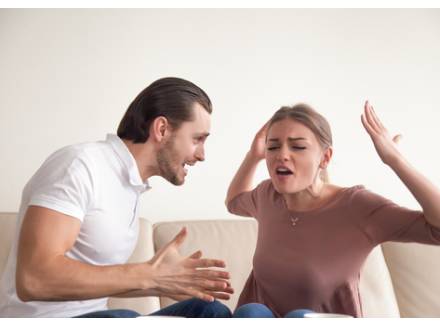 If you are in the middle of a divorce where you and your spouse are arguing over every detail, you may feel frustrated, exhausted, and worried about how much longer it will take. These divorces are called "high conflict" in the legal world, and they are some of the hardest situations in family law. If you are facing a high-conflict divorce in 2026, our Rock County family law attorney can help you understand what is causing the conflict and find solutions.
What Are the Signs of High-Conflict Divorce?
Not all divorces with disagreements are high-conflict. Research shows that only about 10 to 20 percent of all divorces are considered high-conflict cases. A high-conflict divorce has certain traits that make it different from a divorce where couples simply cannot agree on a few things.
-
Communication Breakdown. Simple questions about schedules or finances turn into arguments in high-conflict divorces. Studies show that couples in high-conflict divorces often use things like criticism and defensiveness when talking to each other.
-
Constant litigation and inability to compromise, even on small issues.
-
Emotional manipulation and false accusations. Some spouses use manipulation tactics like threats or gaslighting. In the most serious cases, one spouse may make false accusations of abuse or neglect to win custody or get a better settlement.
-
Fights over children. Parents with kids in high-conflict divorces have intense, ongoing fights over custody, visitation schedules, and who gets to make important decisions about the children. They may involve their children in adult problems or use parenting time as a way to hurt the other parent.
-
Financial sabotage. Spouses might hide or spend assets, destroy property, or refuse to give accurate financial information.
-
Extreme or dangerous behavior. In the worst cases, high-conflict divorce may involve stalking, harassment, or violence. These behaviors need immediate legal intervention.
What Causes High-Conflict Divorce?
Before you can move forward, you need to understand the real reason behind the conflict. Is your spouse disagreeing because they actually have different opinions, or are they deliberately making things hard? Knowing the difference will help you and your lawyer find the right strategy for your case.
Spite and Revenge
If your spouse is angry about the divorce, they may want to punish you by making the process as painful as possible.
Mental Health Issues
According to research on personality disorders and divorce, certain personality traits make high-conflict divorce more likely. A narcissistic person, according to the National Alliance on Mental Illness, has a sense of superiority, a need for admiration, and a lack of empathy. People with narcissistic traits often see divorce as a battle they must win at all costs.
Fear of Unfair Treatment
Your spouse may think that if they compromise, they will be taken advantage of. This fear may come from past experiences or from bad advice they received.
Using Conflict to Stay Connected
Some people use conflict as a way to stay connected to their ex-spouse. They may not be ready to let go of the relationship, so they create ongoing drama to maintain contact.
Legitimate Differences of Opinion
While it is easy to look at a spouse who won't stop arguing with you and say, "They are a narcissist," or, "They have mental issues," it's important to understand when they really just do not agree with you. For example, one parent may truly believe that the children need more structure while the other thinks they need more freedom. This is where having an outside viewpoint from your lawyer can be very helpful.
How Can a Lawyer Help With High-Conflict Divorce?
Under Wisconsin Statute 767.315, you do not need to prove that your spouse did anything wrong to get a divorce. When you cannot agree with your spouse on anything, though, you need strong legal representation. A lawyer who understands high-conflict divorce can stay objective when you cannot. A good lawyer will also document everything. In high-conflict cases, records of communications, agreements, and broken promises are critical.
If your spouse has personality or mental issues that make negotiation impossible, your lawyer can change their approach. Instead of trying to negotiate, your lawyer may need to take a more aggressive approach through court motions and hearings. They can also protect your children by setting up legal boundaries that keep them from getting dragged into the problems with your spouse.
Call a Rock County, WI Family Law Attorney Today
High-conflict divorce is exhausting and painful, but you do not have to face it alone. If your spouse is fighting you every step of the way in your divorce, contact John T. Fields & Associates, LLC for help from our experienced Madison, Wisconsin divorce lawyer. We will aggressively fight for what is best for you and your family. Call 608-729-3590 today to discuss your situation and learn about your options.






From our office in Madison, Wisconsin, we provide representation for clients in communities throughout Dane County, Green County, Columbia County, Sauk County, Dodge County, Jefferson County, and Rock County, including Middleton, Waunakee, DeForest, Sun Prairie, Cottage Grove, Monona, McFarland, Fitchburg, Stoughton, Oregon, Verona, Mt. Horeb, Monroe, Portage, Baraboo, Reedsburg, Beaver Dam, Waupun, Watertown, Jefferson, Fort Atkinson, Whitewater, Janesville, and Beloit.
Results listed are not a guarantee or indication of future case results.
2810 Crossroads Dr., #4000, Madison, WI 53718
608-729-3590